
Immigration Guides
H-1B Visa Employment Verification Letter: What It Means and When It Matters
For individuals working in the U.S. in H-1B status, you may be asked for an employment verification letter in some immigration or travel-related situations. It often comes up for visa stamping, in response to a request for evidence, or when an employer or attorney wants updated proof of ongoing employment.
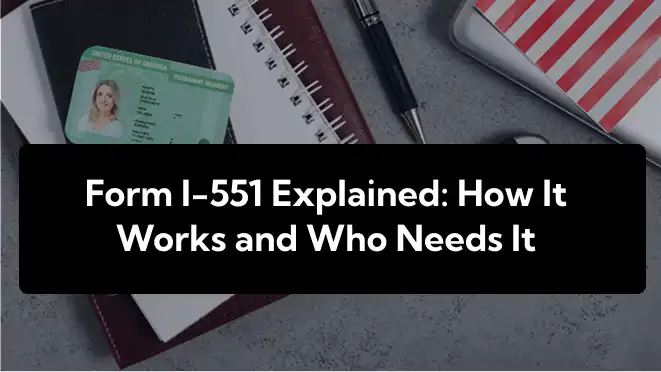
Form I-551 Explained: How It Works and Who Needs It
If you are a permanent resident of the United States, you have probably heard the term “Form I-551.” But what is an I-551 form exactly? Is it different from a green card? And what happens if it expires?
How To Write an Immigration Letter Of Support for Family Members
When a loved one is going through the immigration process, you may be asked to write an immigration letter of support. Many people are unsure where to start. What should you include? How formal should it be? And how much detail is too much?

Trump Gold Card: Eligibility Cost, Process, Timeline, and FAQs
The Trump Administration’s Gold Card program, created by Executive Order on September 19, 2025, has generated significant attention as a potential new pathway to U.S. permanent residence for high-net-worth individuals and corporate-sponsored employees.
O-1 Visa Recommendation Letter Sample: Example Structure and Key Elements
The O-1 visa stands apart from many other employment-based visa categories in several important ways. Unlike options subject to annual caps or lottery systems, the O-1 is for individuals with extraordinary ability (O-1A) or extraordinary ability in the arts / extraordinary achievement in motion picture or television (O-1B), generally shown through sustained national or international acclaim (and for film/TV, a demonstrated record of extraordinary achievement

H-1B Visa Lottery Changes in 2026: Overview of the “Weighted” Selection
The H-1B visa has long been one of the most sought-after pathways for foreign nationals seeking to work in the United States in professional, specialty occupations requiring at least a bachelor’s degree or its equivalent.

Marriage Won’t Protect You From Removal
One of the most common and dangerous misconceptions in U.S. immigration law is the idea that marriage automatically protects someone from deportation. This assumption is common among individuals navigating the U.S. immigration system, but it does not reflect how immigration law actually operates. “I married a U.S. citizen, so I’m safe.” Or, “Once we get married, my spouse can’t be deported.

H-1B Alternatives Explained: Other Options for Working in the U.S.
For years, the H-1B visa has been a central pillar of U.S. employment-based immigration for professionals in specialty occupations. Yet this familiarity does not equal certaintEach year, demand dramatically exceeds supply, leaving thousands of highly qualified candidates without selection through no fault of their own. Not being selected in a cap season, or receiving a denial, can happen even when a candidate is qualified, because the H-1B cap is limited and rules and policies can change over time.