
Immigration Guides
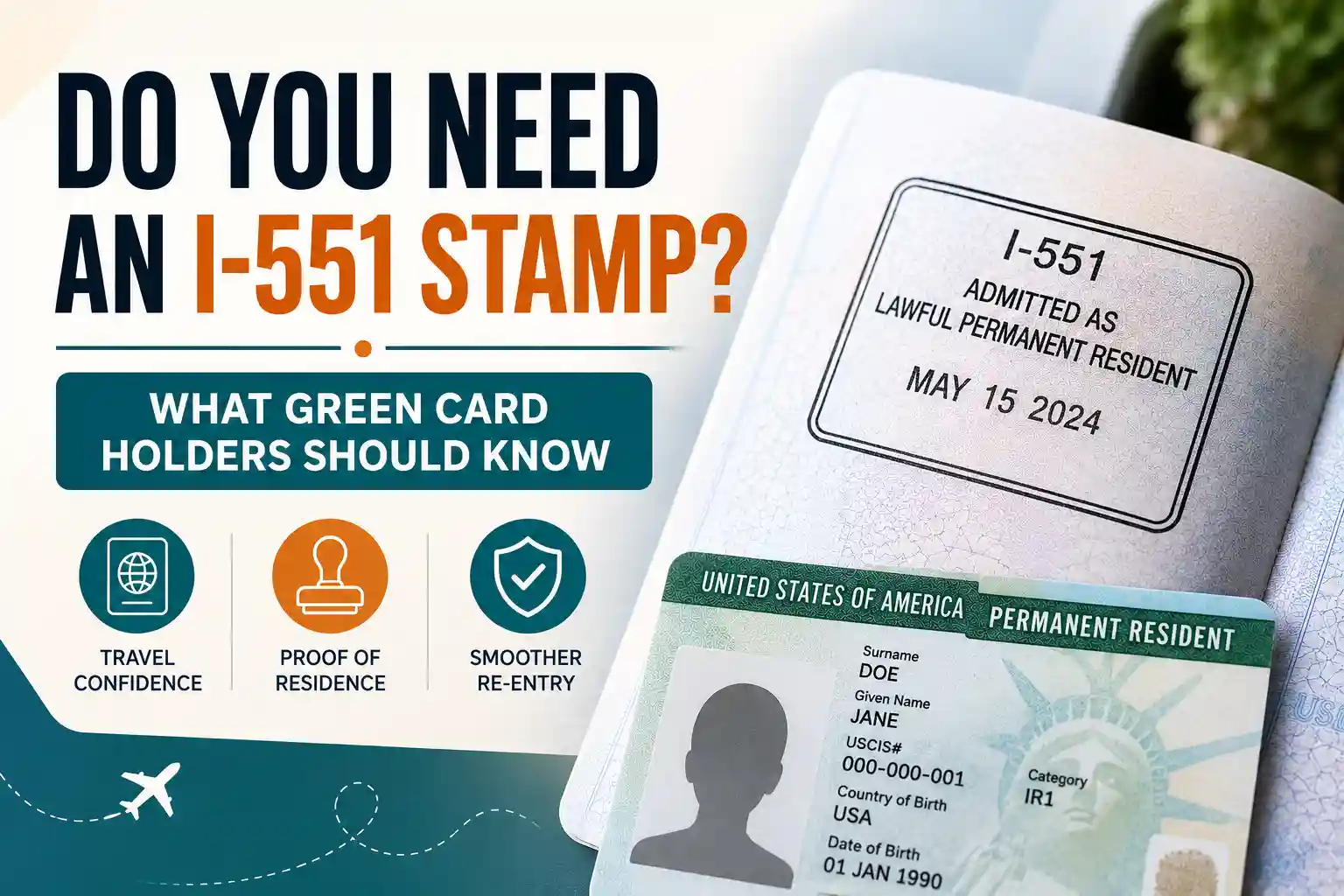
An Alien Documentation, Identification and Telecommunication (ADIT) stamp, also known as an I-551 stamp, may be issued to Lawful Permanent Residents (LPRs) as evidence of their lawful permanent resident status in limited circumstances.

In 2025, lawful permanent residents (LPRs) face increased detentions and reentry difficulties at U.S. airports due to heightened immigration enforcement under Executive Order 14161 and USCIS policies. This overview offers straight answers on prolonged travel outside the U.S., travel risks for those with a criminal history, and travel tips for green card…

The H-1B visa has long been one of the most sought-after pathways for foreign nationals seeking to work in the United States in professional, specialty occupations requiring at least a bachelor’s degree or its equivalent.

The Trump Administration’s Gold Card program, created by Executive Order on September 19, 2025, has generated significant attention as a potential new pathway to U.S. permanent residence for high-net-worth individuals and corporate-sponsored employees.

If you are a permanent resident of the United States, you have probably heard the term “Form I-551.” But what is an I-551 form exactly? Is it different from a green card? And what happens if it expires?

Getting married after entering the United States on a K-1 fiancé(e) visa is a major milestone. For many couples, it feels like the hardest part of the process is finally behind them. But from an immigration perspective, marriage itself isn’t the final step.
The Form I-131, Application for Travel Document, is commonly used by lawful permanent residents (LPRs) to apply for a reentry permit before embarking upon extended international travel.

Clients are often asked to provide an Alien Registration Number when completing immigration forms or reviewing their records.

“Good moral character” is a legal concept that matters in some immigration benefits more than others. In certain cases, such as naturalization and some VAWA self-petitions, it is an express eligibility requirement. In other cases, similar conduct may be considered as part of a broader discretionary review.
Travelers are often asked to provide their U.S. visa number when completing immigration forms, travel documentation, or government applications. Despite how frequently it is requested, many people are unsure where to find it or how to distinguish it from other numbers on the visa stamp.
Immigration recommendation letters may be used as supporting evidence in many immigration matters, but whether they are useful, expected, or required depends on the specific case type and the governing form instructions or regulations.

PERM processing is often one of the longest and most uncertain stages of the employment-based green card process. Current Department of Labor (DOL) processing times for PERM-related steps can be lengthy and may vary significantly depending on the stage of the case, agency workload, and whether the case is selected for audit. Posted processing times are general benchmarks, not case-specific guarantees, and actual timelines for any individual case can vary.
One of the most common questions immigration attorneys hear is simple but rarely has a simple answer: How long will this take? Whether a foreign national is waiting for a green card, an interview notice, or a work permit, the anxiety around timing is understandable, especially in processes such as a green card through marriage. Lives, jobs, and family plans often hinge on the answer.
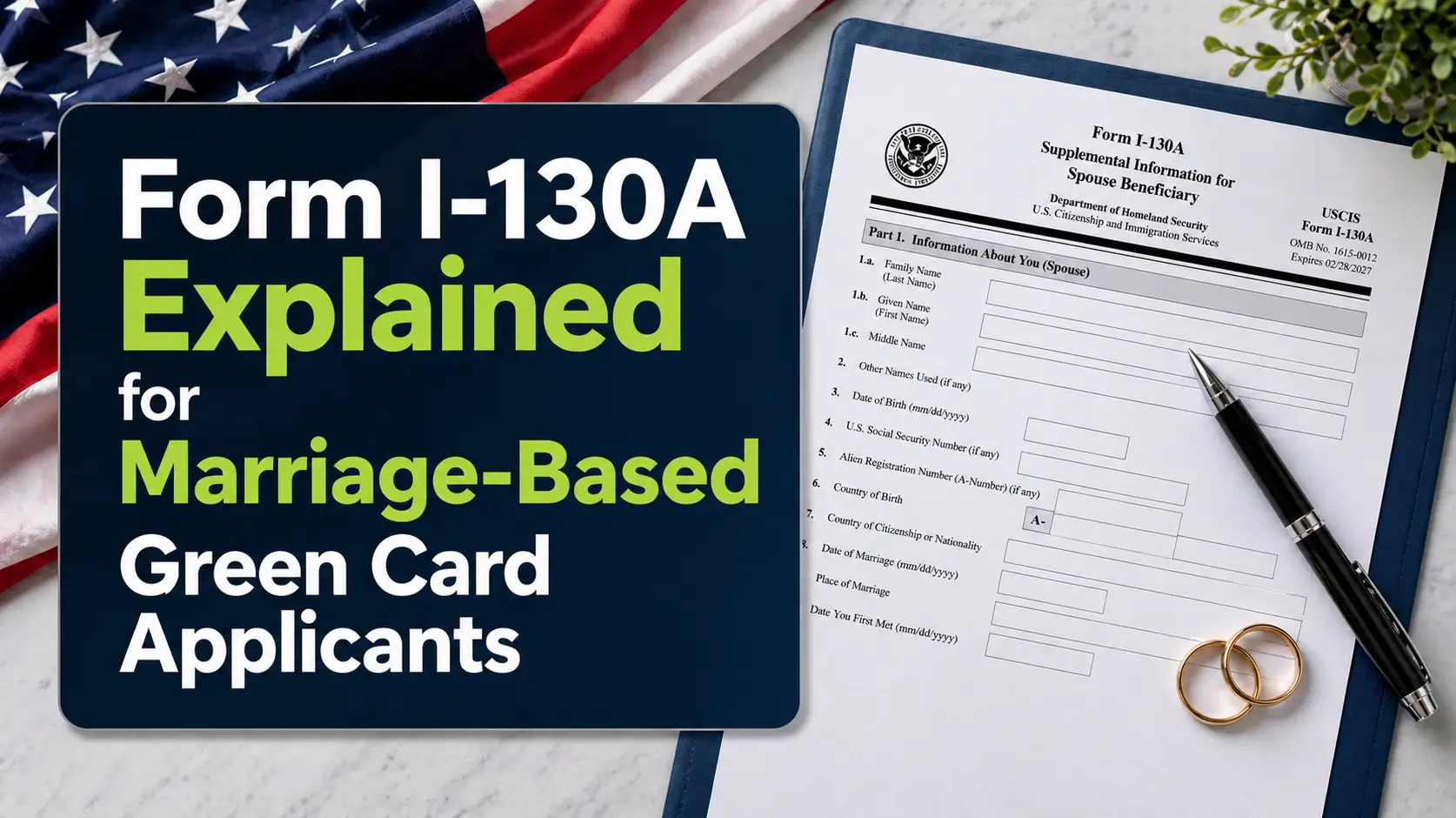
Marriage-based green card cases often involve multiple forms working together. One of the most commonly misunderstood is Form I-130A, Supplemental Information for Spouse Beneficiary, which supplements the main family petition and provides detailed background information about the beneficiary spouse.
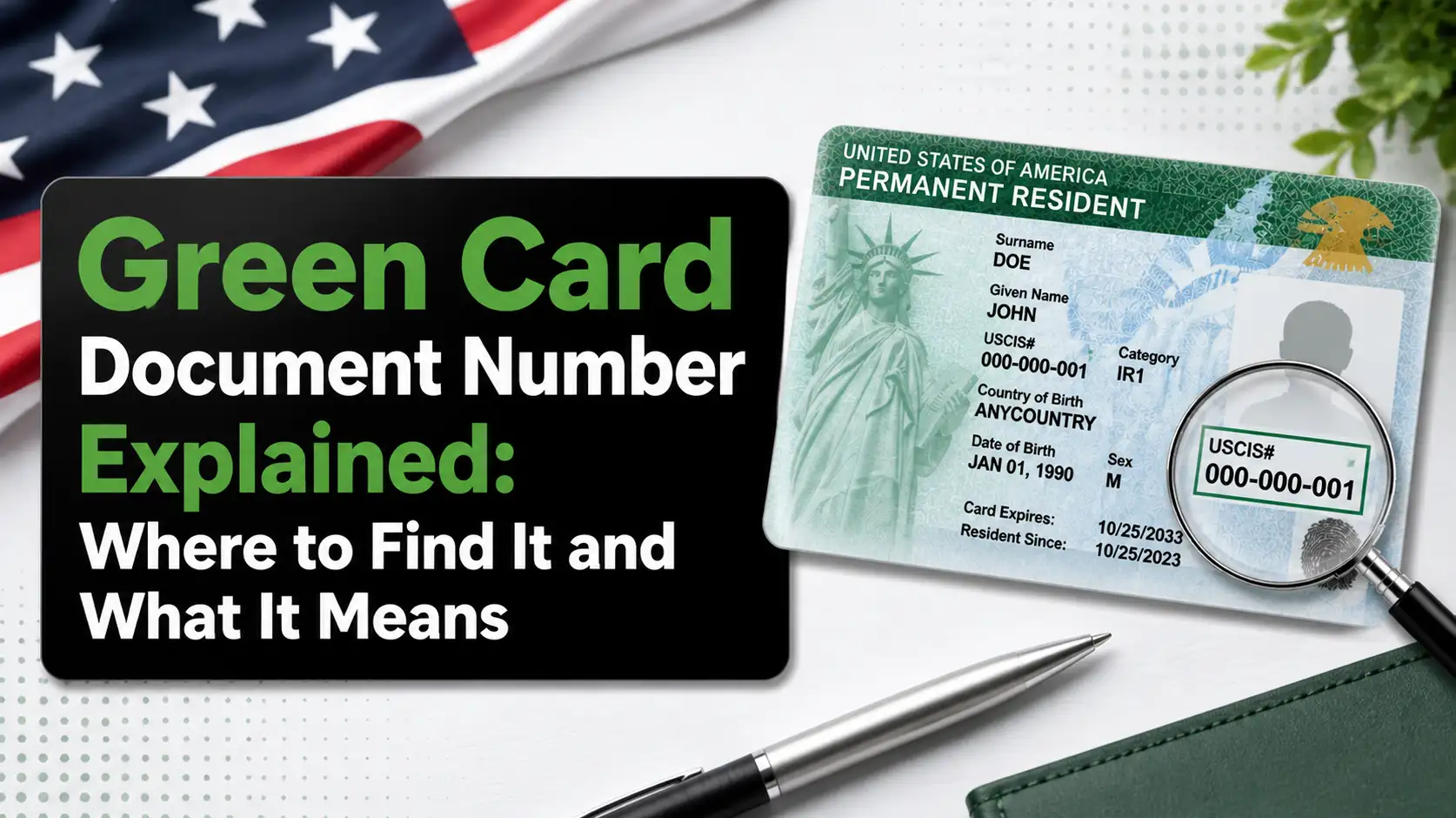
Green card holders are often asked to provide a “document number” when completing forms or reviewing immigration records. This can create confusion, especially because multiple numbers appear on the card.


Michael Ashoori, Esq.
President of Ashoori Law
I’m a U.S. immigration lawyer and I help families, professionals, investors, and entrepreneurs get visas, green cards, and citizenship to the United States.
Since starting my law firm, I’ve helped thousands of people from all over the world with their immigration needs. I’m very passionate, hard-working, and committed to my clients.
Got a question? Send me an email.