
Immigration Guides
The short answer: the E-2 is a temporary, renewable nonimmigrant status for treaty country nationals who actively run a U.S. business, with no statutory minimum investment and no path to a green card on its own. The EB-5 is an immigrant petition that can lead to permanent residence for nationals of any country, and it requires at least $800,000 (in a targeted employment area) or $1,050,000, plus the creation of at least 10 full-time jobs.

Recommendation letters serve as the backbone of successful O-1, EB-1, and EB-2 NIW petitions. These letters provide crucial third-party validation of a petitioner’s extraordinary abilities, achievements, and contributions to their field. When crafted strategically and thoughtfully, a strong recommendation letter can significantly strengthen a close or borderline case.

In order to qualify for a chance to submit an H-1B cap-subject petition, you must first be selected through a randomized lottery. The quota for this lottery includes 65,000 slots for standard H-1B petitions, and an additional 20,000 slots for workers with a master’s degree. This lottery process begins with…

As a U.S. immigration lawyer, my clients often ask me how they can get a green card. The answer is that there are many possible ways to get a green card. The best option for you will depend on your particular circumstances. In this guide, I will explain most of…
The EB1 visa is an immigrant visa classification which is broken in to 3 distinct sub-categories: 1. EB1A for people with extraordinary abilities; 2. EB1B for outstanding professors and researchers; and 3. EB1C for multinational managers and executives. If you have any…
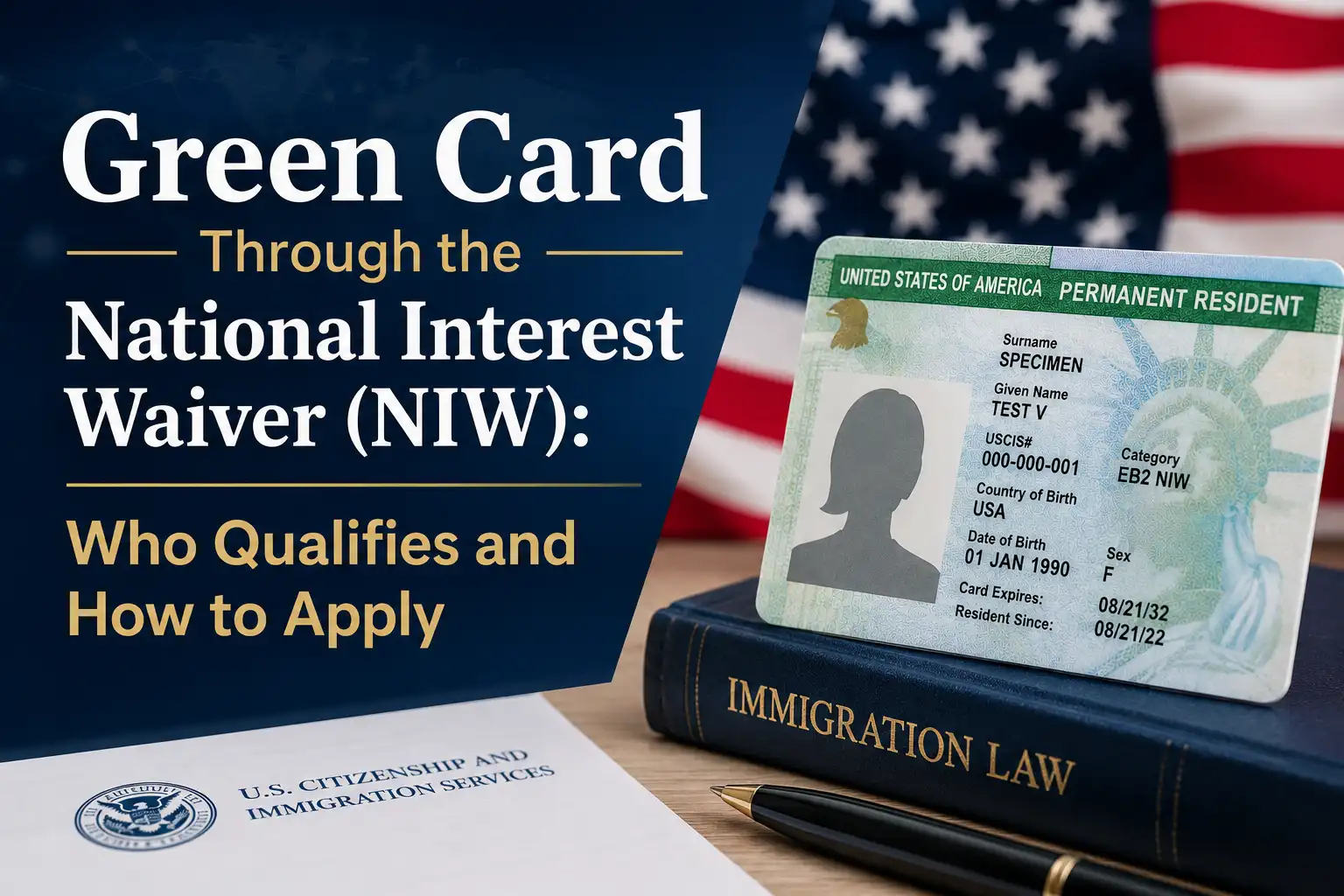
The National Interest Waiver, commonly called the NIW, is an employment-based immigrant pathway that does not require a job offer or a labor certification. For professionals whose work benefits the United States broadly rather than a single employer, it can be a meaningful option worth understanding. This article explains what the National Interest Waiver is, the legal standard used to evaluate eligibility, and what the application process generally involves.

You may be able to travel while a marriage green card case is pending, but you should not assume it is safe to leave the United States just because your case has been filed.
If you are applying for adjustment of status from inside the United States, traveling without the proper travel document can cause serious problems, including the possible abandonment of your pending green card application.
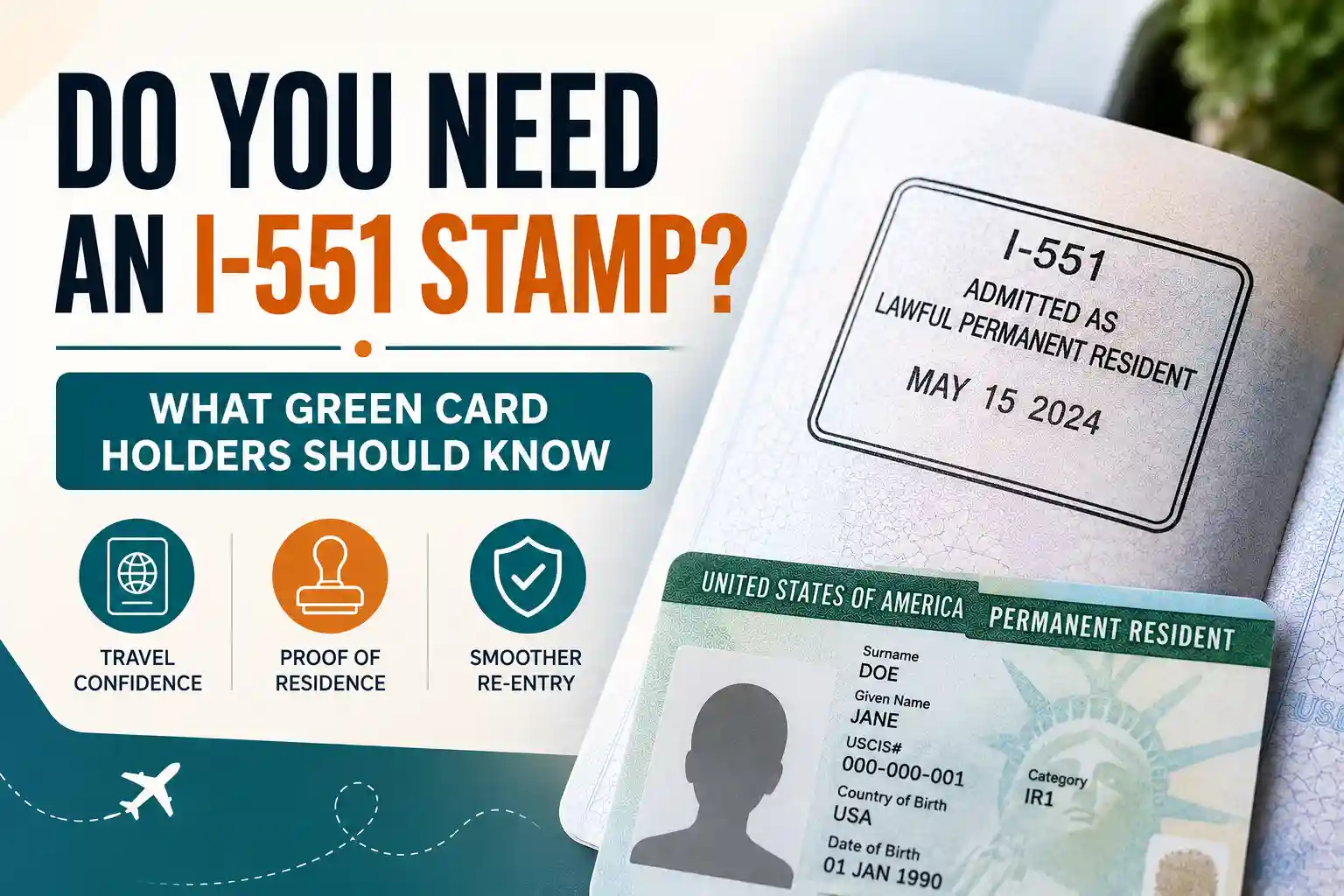
An Alien Documentation, Identification and Telecommunication (ADIT) stamp, also known as an I-551 stamp, may be issued to Lawful Permanent Residents (LPRs) as evidence of their lawful permanent resident status in limited circumstances.

Real estate is one of the most misunderstood topics in the E-2 treaty investor space. It is easy to see why: real estate is a familiar, tangible, and substantial form of investment, so it seems natural that buying property in the United States would support an E-2 visa.
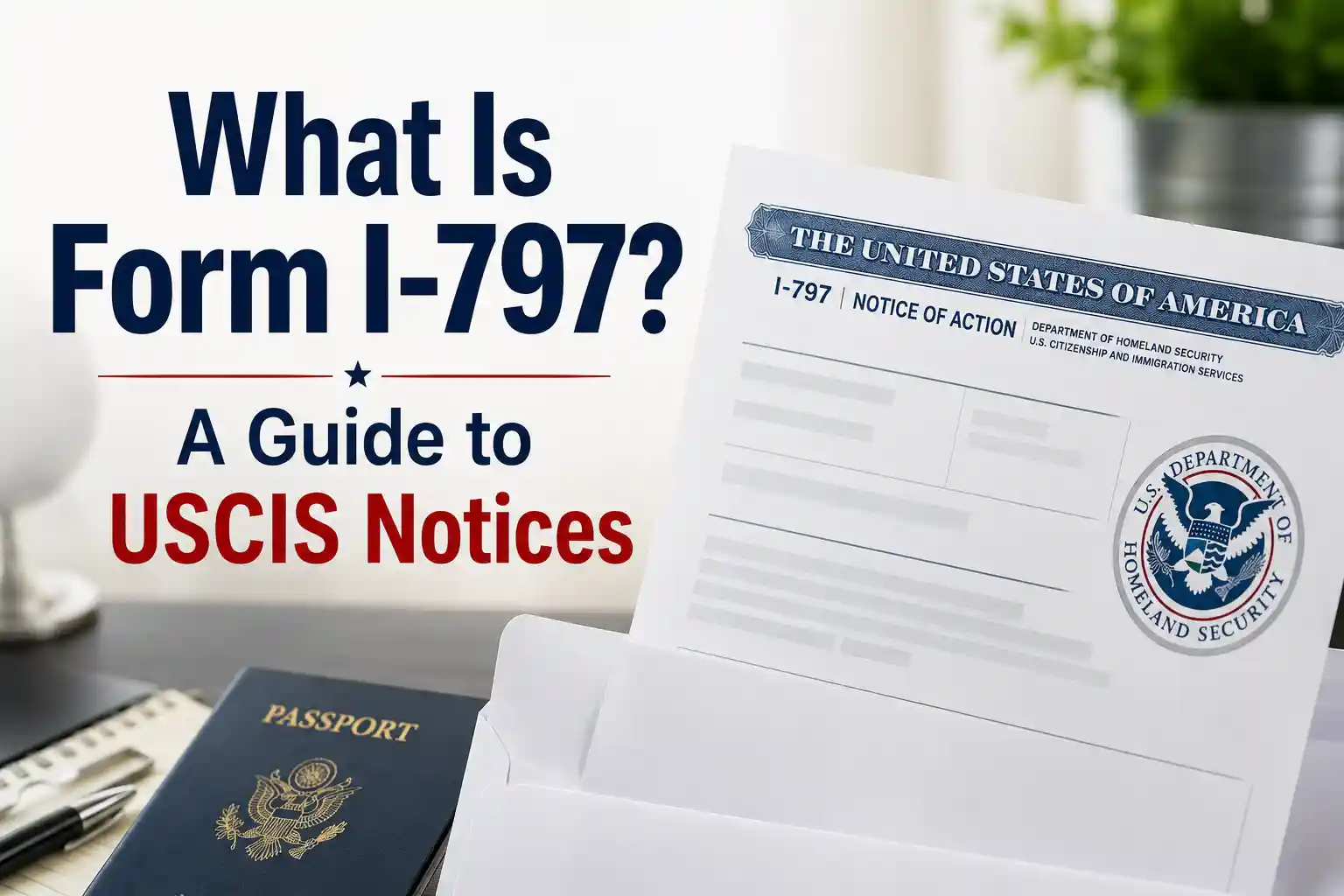
USCIS communicates most case updates through Form I-797 notices. Applicants often receive these notices at different stages of a case and may be unsure what they mean or what action is required. Understanding how to read Form I-797 helps avoid missed deadlines, confusion about case status, and unnecessary delays.
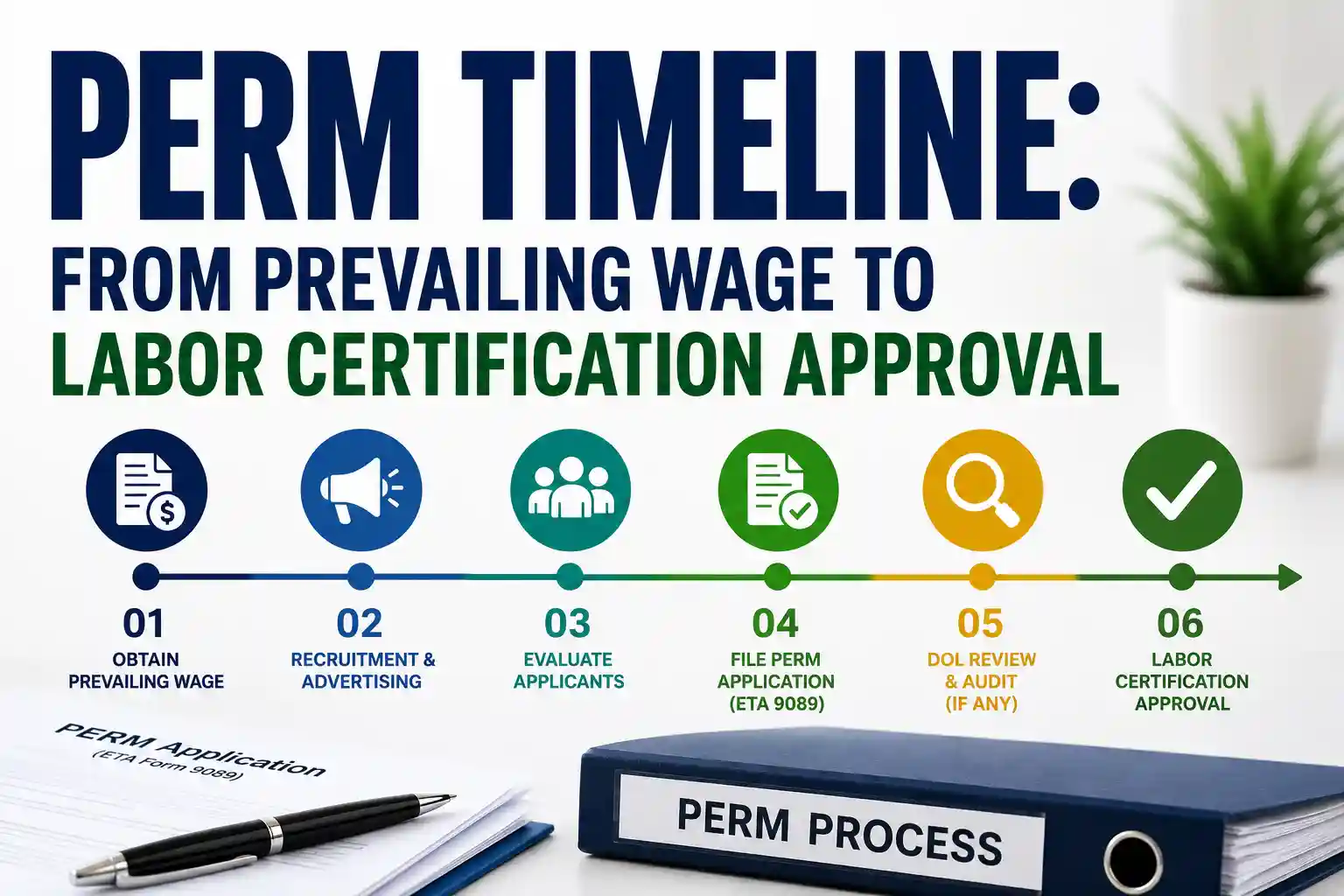
For many EB-2 and EB-3 employer-sponsored green card cases, the PERM labor certification process is often one of the earliest and most time-sensitive steps.
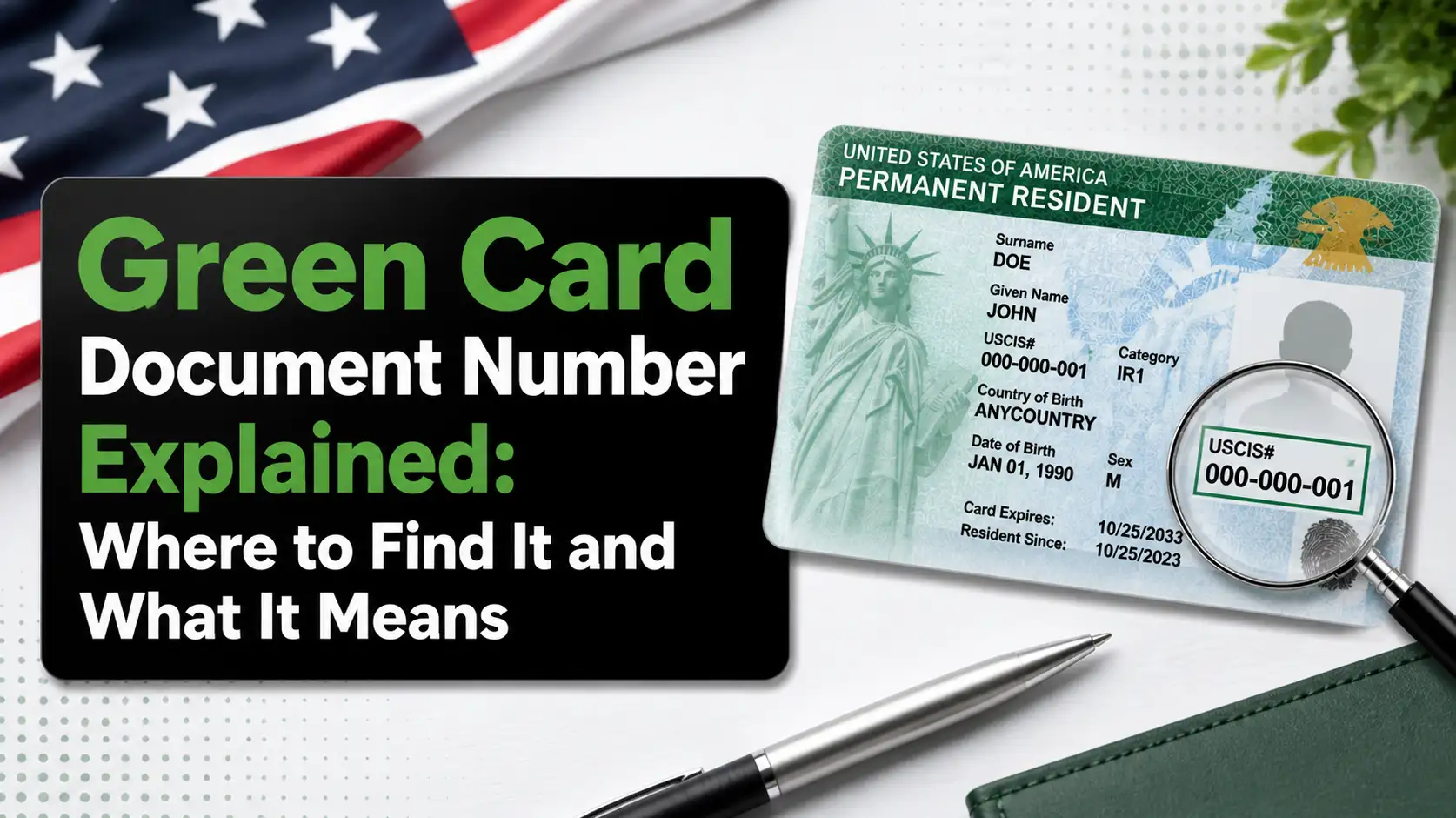
Green card holders are often asked to provide a “document number” when completing forms or reviewing immigration records. This can create confusion, especially because multiple numbers appear on the card.
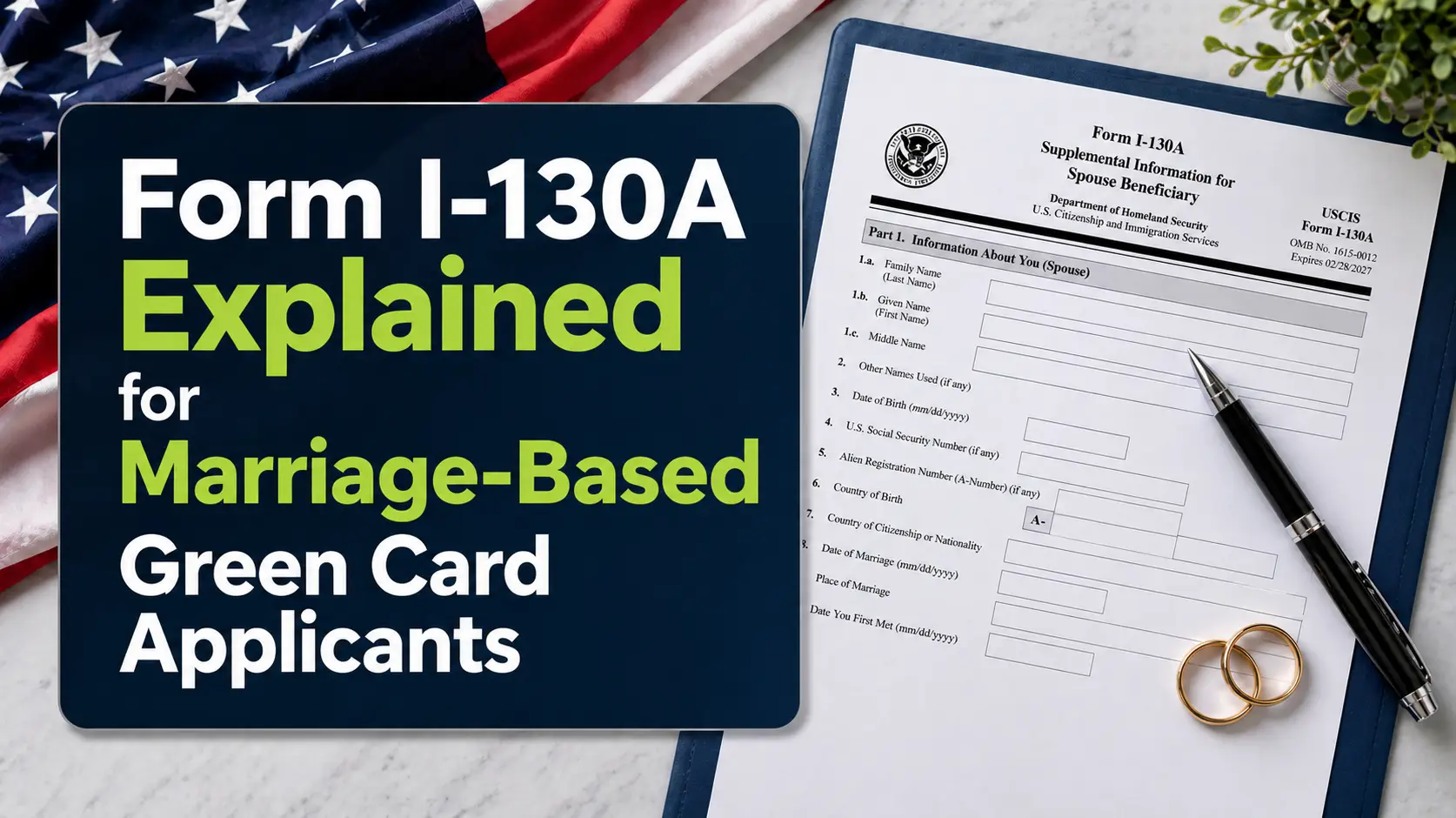
Marriage-based green card cases often involve multiple forms working together. One of the most commonly misunderstood is Form I-130A, Supplemental Information for Spouse Beneficiary, which supplements the main family petition and provides detailed background information about the beneficiary spouse.
One of the most common questions immigration attorneys hear is simple but rarely has a simple answer: How long will this take? Whether a foreign national is waiting for a green card, an interview notice, or a work permit, the anxiety around timing is understandable, especially in processes such as a green card through marriage. Lives, jobs, and family plans often hinge on the answer.
The EB-2 visa category remains one of the most common employment-based green card pathways for professionals, yet it is also one of the most backlogged for individuals born in India.


Michael Ashoori, Esq.
President of Ashoori Law
I’m a U.S. immigration lawyer and I help families, professionals, investors, and entrepreneurs get visas, green cards, and citizenship to the United States.
Since starting my law firm, I’ve helped thousands of people from all over the world with their immigration needs. I’m very passionate, hard-working, and committed to my clients.
Got a question? Send me an email.